ASC
- Leagues Played
- India Bangalore Super Division 122 India Regional Cup 1
- Links
- Wikipedia

Wikipedia - Army Service Corps (India)
The Army Service Corps (ASC) is an administrative corps and an arm of the Indian Army which handles its logistic support. It is the oldest and the largest administrative service in the Indian Army. While the history of supply and transport services is as old as the history of organized warfare itself it was in 1760 that the very rudimentary supply and transport organizations of the three presidencies of the East India Company were brought under the council of a single authority.
History
Pre Independence
The origin of the corps go back to 1760 when a Commissariat used to exist in the administrative component of the armies three Presidencies of Bengal, Madras and Bombay. In 1878 the separate Commissariats were amalgamated into a single entity and then in 1901 it was renamed the Supply and Transport Corps. During the First World War the corps became a permanent component of the British Indian Army and was renamed the Indian Army Service Corps in 1923. In 1935 the corps was granted the 'Royal' prefix and became known as Royal Indian Army Service Corps (RIASC). During the 2nd World War, the Corps once again demonstrated its tremendous capacity to persevere, adapt and evolve in the face of adversity. Its numbers swelled exponentially in Mechanical Transport, Animal Transport and Supply Units. The kind of expansion the Corps went through during the years of war, can be assessed from the fact that when the war ended, one sixth of the Indian Army was wearing Royal Indian Army Service Corps’ shoulder titles. Some units served in France during the Second World War and were evacuated at Dunkirk.
Post Independence
After India gained independence in 1947, the corps underwent further expansion and by 1948 Indian Catering Corps and Indian Army Corps of Clerks were amalgamated into the corps. The Food Testing Laboratories were also placed under the control of RIASC. On 26 January 1950, after India became a republic, the corps dropped the use of the 'Royal' prefix and became the Army Service Corps. On 08 Dec 1950, the President of India accorded sanction to the Corps to use the National Emblem in the Army Service Corps Badge and wear the Red Lanyard on the right shoulder, as recognition of its services. The first Corps Day was celebrated on 08 Dec 1952 and it has remained their Corps Day ever since. The new Corps Colours were presented by the then President of India Dr. Zakir Husain to the Corps on 8 December 1967 on the 207th Corps Anniversary at ASC Centre (South), Bangalore. Lt SSK Raheja had the rare and enviable privilege and honour of being selected as the Colour Ensign, he received the Corps Colours from the President. The second regimental Colours were presented on the occasion of Third Reunion by Gen OP Malhotra, COAS on 8 December 1979. In Oct 1975 the Corps song entitled 'Seva Corps Ke Jawan' was composed and recorded on a 45 RPM disc by HMV. The Corps song depicts in simple language the various facets of the Corps.
Since Independence, the ASC has taken part in operations in Kashmir, Nagaland, against the Chinese in Ladakh and NEFA in 1962 and against Pakistan in 1965 and 1971. The ASC has also been deeply involved with logistics for various low intensity conflict operations and counter insurgency operations. It took part in Indian Peace Keeping Force operations (IPKF) in Sri Lanka. During OP VIJAY, the Corps provided logistic support in the difficult terrains of Kargil. 874 AT Battalion got unit citation in OP VIJAY for there exemplary services.
The Corps Emblem and Motto
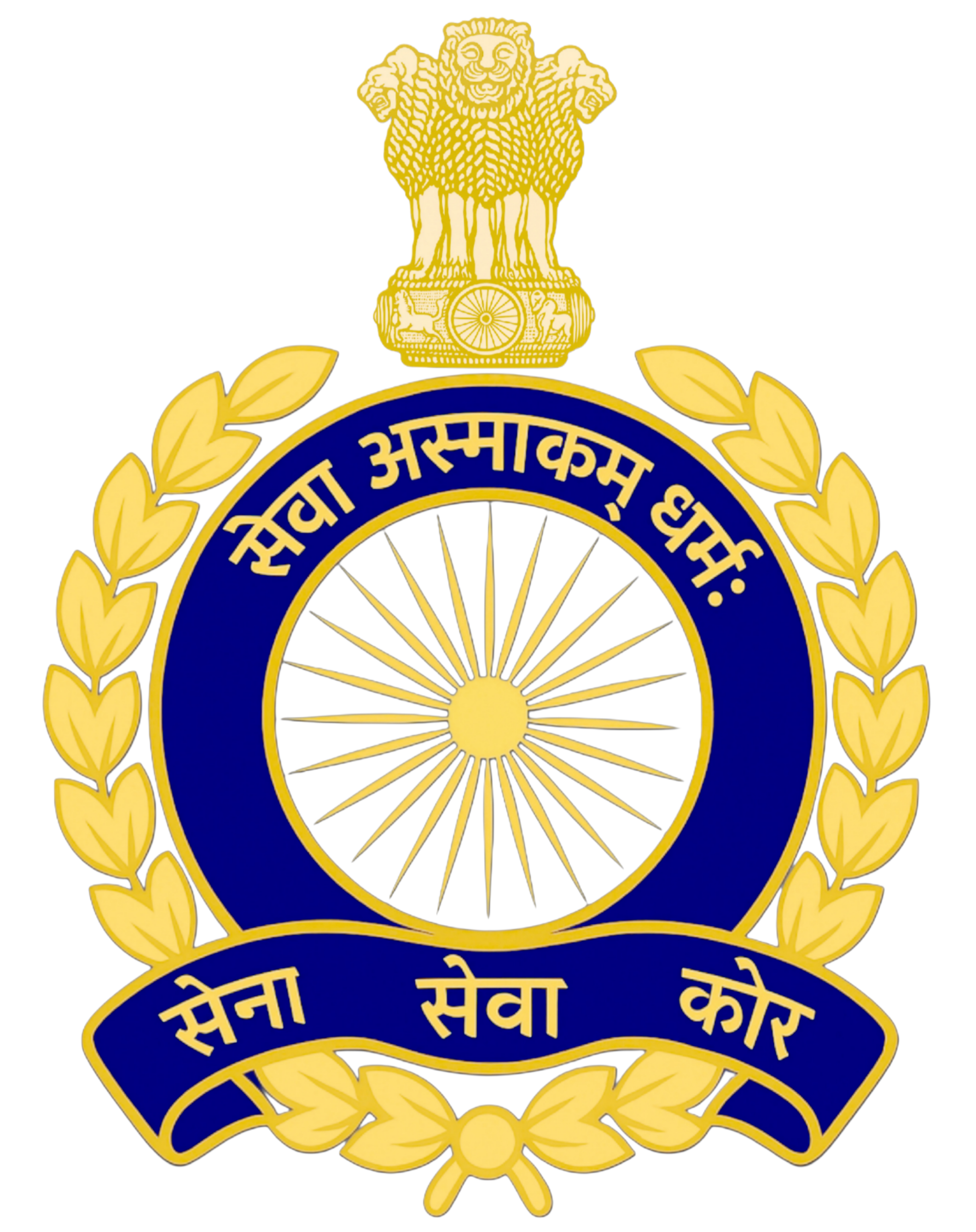
The Corps emblem consists of the Ashoka Emblem at the top, the Ashoka Chakra in the center, a circular band encircling the Chakra, a laurel wreath and a scroll carrying the motto 'Seva Asmakam Dharma' . In 1950, the corps officially adopted Seva Asmakam Dharma meaning Service is our creed as its motto.
The All-Star Club (ASC) India Soccer Team is a dynamic and passionate representation of the country's rich footballing heritage. Founded with the vision of promoting soccer at all levels, ASC brings together talented players from diverse backgrounds, showcasing the vibrant tapestry of Indian culture and athleticism.
With a commitment to excellence, ASC focuses on developing young talent through rigorous training programs and competitive matches, aiming to elevate the standard of football in India. The team is known for its attacking style of play, characterized by quick passes, strategic positioning, and a relentless pursuit of victory.
ASC is not just about winning; it embodies the spirit of teamwork, sportsmanship, and community engagement. The team actively participates in local leagues and tournaments, fostering a strong connection with fans and inspiring the next generation of soccer players.
With a dedicated coaching staff and a roster of skilled athletes, ASC is poised to make its mark on the national and international soccer scene, striving to bring glory to Indian football and unite fans across the nation. Whether on the pitch or in the community, ASC is committed to promoting the beautiful game and making a lasting impact in the world of soccer.